

 العربية
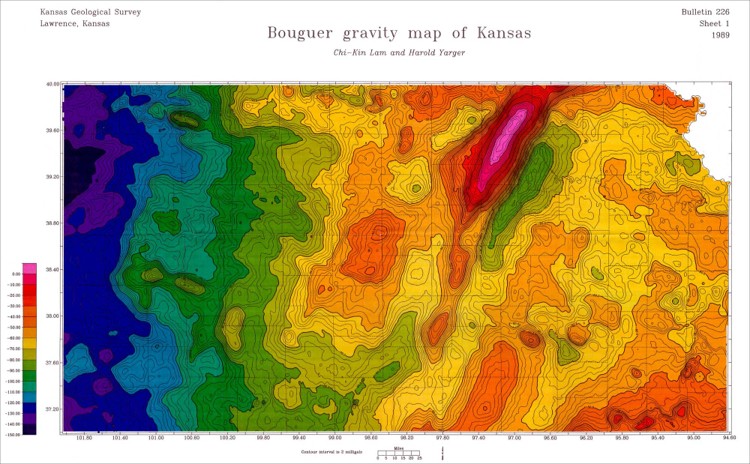
Gravity Mapping
High-Resolution Aeromagnetic Detection of Mineral Targets: Magnetic highs are associated with ferromagnetic minerals (e.g., magnetite, pyrrhotite) and mafic/ultramafic bodies, while magnetic lows may indicate altered zones, weathered kimberlites, or non-magnetic deposits (e.g., halite, graphite). Why Drone Magnetics? Unmatched Resolution – detects subtle anomalies (≤0.1 nT) with low-altitude flights; Rapid Coverage – surveys large or remote areas 5–10x faster than ground methods; Depth Penetration – maps structures up to 500m deep, depending on sensor sensitivity; Terrain Agnostic – accesses rugged or hazardous zones safely. Comparative Advantage: vs. Gravity – magnetics excel at detecting vertical contrasts (e.g., dikes, shear zones); vs. Resistivity/EM – more cost-effective for initial Fe-oxide/sulfide targeting. Applications include mineral exploration (iron ore, nickel sulfides, gold-bearing structures), kimberlite detection (weathered pipes often appear as circular magnetic lows), and structural mapping (faults, folds, and intrusive contacts). Precision targeting enables faster discovery.